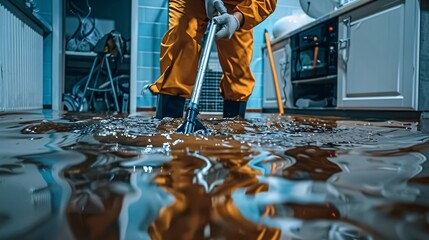
A flooded home is every homeowner’s worst nightmare. It can destroy personal belongings and even cause severe structural damage.
The cost of water damage restoration can vary widely, but there are several factors that determine the final bill. Understanding these factors helps homeowners prepare for the expense and make informed decisions. Contact Water Damage Restoration Salt Lake City for more information.
Location of Your Home
One of the most important things to keep in mind when it comes to water damage restoration is location. This is because the area in which a home or commercial property is located will affect restoration costs and timelines. The reason for this is because the weather and climate of a particular region will make it more or less susceptible to specific types of water damage. For instance, hurricanes and flooding are more common in some regions, while ice accumulation is more of a problem in others. These factors can significantly increase the cost of restoration services in a given location.
In addition, the type of water damage will also impact the cost of restoration services. There are three main types of water damage: clean water, gray water, and black water. Clean water comes from rain or leaky pipes and does not contain any harmful chemicals. Gray water, on the other hand, comes from appliances like dishwashers and washing machines and may be slightly contaminated. Finally, black water comes from sewers or floods and can be extremely dangerous to handle.
The type of water damage will also affect the extent of the repairs that must be made and the time it takes to complete the job. For example, a homeowner may need to replace their carpets and drywall if the materials have been fully saturated with water. This will take more time and cost more money than simply cleaning the affected areas.
Another factor that can dramatically impact the cost of water damage restoration is whether or not the homeowner has insurance coverage. This is because insurance companies typically cover the cost of water damage restoration in full or at least partially. Without insurance, homeowners are responsible for the entire bill, which can be very expensive.
In addition to addressing the immediate effects of water damage, it’s important to prevent future issues by taking precautionary measures. This includes regular inspections of the plumbing system, keeping gutters clear, and sealing cracks and leaks. By taking these steps, you can greatly reduce the likelihood of an emergency situation and the resulting repair costs.
The Materials in Your Home
Whether they’re wood floors, drywall, carpet, or other materials, different materials react differently to water damage. Some can be saved with intensive cleaning and drying, while others may need to be replaced completely. This can drive up costs significantly.
The type of water also matters. There are three categories of water, and each one poses its own unique set of risks. Category 1 water comes from sanitary sources, such as toilet tanks or faucets. This water isn’t contaminated, but it can still cause damage if not addressed immediately. Category 2 water is contaminated, and it’s usually the result of appliance leaks or sewage backups. It’s a much more serious hazard and will require specialized equipment, safety training, and a different approach to clean up.
Finally, Category 3 water is black water, which comes from sewage sources or untreated bodies of water. It’s the most dangerous and requires a more intense, time-consuming cleanup process.
Another factor that can impact the cost of restoration is the length of time that water damage has gone untreated. When left unattended, water can cause significant structural damage to the home. This can result in higher repair costs and lead to additional problems like mold, mildew, and rot. That’s why it’s important to take care of water damage as soon as possible.
When it comes to water damage, the sooner you call in the experts, the better. A water remediation professional will be able to quickly determine the extent of the damage and begin the cleaning and drying process. They’ll be able to find any hidden moisture or mold, and address it accordingly. They’ll also be able to prevent further damage from occurring by stopping water from spreading, which will save you money and headaches down the road. If you’re not sure what to look for, ask your friends and neighbors for recommendations and read reviews online. They’ll be able to recommend a trusted local contractor with experience in the area. You can also ask for proof of their credentials, such as industry-recognized certifications in water detection and structural drying.
The Time of Year
Water damage can take a serious toll on homes and business, from furniture to drywall and beyond. Whether it’s the result of a burst pipe or severe storm, prompt and effective response is essential to mitigating damage, preventing long-term deterioration, and preserving the property value.
When and how restoration begins plays a critical role in how much water damage repair costs will ultimately rise. A comprehensive understanding of the factors that influence water damage restoration and flood remediation will help policyholders prepare for potential expenses, weigh insurance options, and find the right support.
Timely water damage restoration is essential to mitigating the effects of water damage and reducing restoration costs. Moisture trapped in walls, floors, and ceilings promotes mold growth and creates health hazards for occupants. In addition, the longer water sits in a home, the more difficult and expensive it is to clean up.
To reduce water damage repair costs and prevent structural degradation, professional restoration teams must begin work promptly after initial contact with the property owner. This initial assessment identifies affected areas, determines water categories, and establishes appropriate restoration protocols. It also documents damage progression using moisture mapping technology to track water pockets and optimize drying efforts.
The type of water contaminated and the amount of time water remains in a home affect cleanup costs. For instance, sewage backups and blackwater require different treatment approaches than gray water used for washing and bathing. These differences drive up cleanup costs, as the more contamination there is, the more specialized treatments will be required.
Identifying the source of the water is another factor that impacts restoration costs. Locating the source of the water allows professionals to address issues like rerouting electrical wiring and repairing structural integrity. It also helps experts understand how much a property owner will need to pay for water removal and repairs.
Water damage restoration is a process, not an event. Water damage that goes untreated will worsen over time, causing significant structural issues and costly complications like rot, mold growth, and bacterial infections. A thorough and effective water damage restoration process will ensure that all materials are dry and safe for occupants, restoring the home to pre-loss condition.
The Experts You Hire
Water damage from a burst pipe or flood can cause serious problems in your home, including structural instability and mold infestation. It’s important to take these issues seriously and take quick action, so that they don’t escalate into a costly repair job in the future. The more extensive the damage and the more materials affected, the more expensive the restoration will be. But how much you can expect to pay depends on several factors, including the location of your home and the type of water damage.
The experts you hire to help with your water damage restoration also influence how much you’ll pay. Experienced professionals will likely charge more than less experienced ones, as their work is typically of higher quality. In addition, some services may be more time-consuming or labor-intensive than others, and this can also increase costs.
Once the experts have assessed the damage, they’ll start working to remove as much water as possible from your home. They’ll use large pumps, vacuums, and fans to extract water that soaked into carpeting, flooring, and wallboards. It might take weeks for them to fully dry out the affected areas, but they’ll make sure that your home is as moisture-free as possible.
Depending on the severity of your situation, you might need to temporarily relocate while the repairs are done. This could add up to a lot of extra expenses, especially if you have to purchase new clothing and personal items as well as spend money on food and lodging. Fortunately, these costs might be covered by your homeowner’s insurance.
While determining the cost of water damage restoration can be challenging, it’s important to remember that it’s often much cheaper than repairing or replacing your damaged property. It’s also worth keeping in mind that you can take some preventive measures to reduce your chances of experiencing major water damage in the first place, such as ensuring your gutters are clean and directing downspouts away from your home’s foundation. Taking these steps will help to keep your home safe from water damage and potentially save you thousands in repair costs.