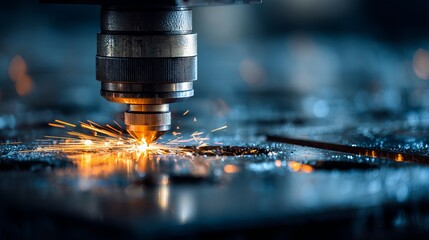
Whether creating steel I-beams or welding intricate support systems on-site, precision metal fabrication transforms raw materials into critical structural components. Their work enables builders to meet strict project deadlines and navigate design constraints without sacrificing safety or performance.
Metals’ strength and durability make them a popular choice for multifamily construction projects. They are also energy efficient and require fewer resources for maintenance, aligning them with modern sustainability goals. Visit 83MetalCraft LLC for more details.
Versatile Design Options
Metal fabrication is a vital part of construction projects, shaping outcomes across planning, build and completion phases. Metal fabricators create structural building components and decorative features that complement and enhance the overall design of a structure. For residential projects, this means that a skilled metal fabricator can help elevate the aesthetic of a home or apartment complex by using custom elements and designs.
Whether you are designing a unique range hood or a sleek HVAC system, fabricated metal offers endless design possibilities to fit your specific vision. Metal finishes are also available to improve your piece’s durability and help it stand out in the architectural landscape. With these additional design options, it is easier than ever to make a unique and attractive statement that adds value to your home.
For the exterior of a building, metal fabrication can include ornamental railings and gates that make a dramatic impact on any property. For more practical purposes, metal fabrication can also be used to create custom kitchen appliances and fixtures, which are both energy-efficient and functional. Custom metal fabrication can even be used to create unique sculptures and art pieces for the interior or exterior of a building. These artistic touches can add a level of sophistication to any residential building, improving its appeal and creating a lasting impression on visitors.
While the initial expenses of metal fabrication may exceed traditional wood or masonry alternatives, these costs are offset by the longevity and added value that these materials bring to a building or renovation project. Additionally, metal outperforms many building materials in terms of sustainability and recyclability, allowing homeowners to reap long-term benefits with minimal maintenance.
Residential steel buildings can be designed to incorporate innovative storage solutions, open spaces, and creative integration techniques that allow them to blend harmoniously with traditional neighborhood homes. Additionally, custom metal fabrication can be used to enhance the overall aesthetic of a residential steel building, making it less industrial and more aesthetically appealing. This can be accomplished through custom roofs, siding and front porches that are carefully integrated into the metal building to ensure that it fits seamlessly with its surroundings.
Strength and Durability
Metal fabrication is an essential part of residential construction, contributing both strength and durability. It’s used to create internal structural supports like steel I-beams, as well as exterior components like durable metal roofing and siding. It’s also used in decorative home accents such as wrought iron window grilles and stair railings, and it’s responsible for the ductwork that distributes heat, ventilation and air conditioning throughout custom homes.
To achieve these functional and aesthetic applications, metal fabricators use a range of complex processes to shape raw materials into finished products. They consider factors like the material’s corrosion resistance, tensile and compressive strengths, and weight when choosing the best techniques. For example, laser cutting and welding offer precision that minimizes weak points. They can also apply protective coatings to prevent rust and extend the life of the product.
The ability to withstand wear and tear is important for many applications, but it’s even more critical when the product will be used in high-pressure or load-bearing environments. Metal fabricators can create structural support elements that withstand heavy loads by using high-tensile strength metals. These metals can withstand the pressure of an impact without bending or buckling, which is why they’re often used in automotive and aircraft parts.
When it comes to durability, metals also have an advantage over other materials because they can be shaped into long-lasting, low-maintenance components that don’t require frequent repairs or replacements. This is especially valuable in construction projects, where any downtime can significantly affect productivity and cost.
The key to achieving longevity and durability in metal fabrication is to start with the right material, and this requires careful consideration of the design requirements. For example, it’s important to know the anticipated loads during use, and this information can help determine whether your product needs a high or low tensile strength. It’s also crucial to take into account the product’s expected exposure to weather conditions, as this may influence corrosion and rust resistance. Metal fabricators can use advanced materials and expert rigging to support your project from conception to completion. They can also provide on-site welding services, millwrighting expertise and industrial maintenance to meet your unique needs.
Sustainability
When homeowners select contractors to create custom home improvements, the choice often comes down to price, experience and a contractor’s sustainability. Metal fabrication is an eco-friendly alternative to construction using traditional materials like wood, brick and concrete. It uses recycled and reclaimed materials to reduce construction waste and offers durable and low-maintenance building elements.
Whether creating a one-of-a-kind staircase, an elaborate railing system or a unique gate for a driveway, the bespoke capabilities of a metal fabricator enable a wide range of aesthetic choices to suit any architectural vision. Additionally, a custom fabricated piece can be built to a precise measurement that mass-produced products cannot achieve. This translates into savings by eliminating the need for frequent repair or replacement, which is good news for your wallet and the planet.
Metal building systems offer a sustainable construction option as they are made from recycled materials and can be easily dismantled and re-used. They are also stronger and more durable than wood-frame buildings, which makes them more energy efficient and less susceptible to damage from pests such as termites and carpenter ants. They are also non-combustible, which is crucial in areas prone to wildfires.
As the world shifts toward renewable energy and greener practices, precision metal fabrication is at the forefront of the movement. From solar panel frames to wind turbines, the industry’s innovative and environmentally friendly practices help reduce our dependency on fossil fuels.
A commitment to sustainability is a critical aspect of any business’s long-term success. Choosing a metal fabrication company that is dedicated to environmental protection and conservation is a responsible decision that provides a wide array of benefits for the business, its employees and the surrounding community. In addition to reducing the company’s carbon footprint, sustainable practices reduce operational costs by optimizing the use of materials and minimizing waste. These cost-saving measures help companies to remain competitive in an ever-changing economy while demonstrating a strong commitment to ethical values that appeal to eco-friendly consumers and partners.
Collaboration
Metal fabrication transforms raw metal materials into essential structural building components and decorative home improvement features. It’s the backbone of modern construction, from steel I-beams to ductwork that distributes heat, ventilation and air conditioning throughout homes. Metal also offers exceptional strength and durability, resisting weather, wear and natural disaster damage for decades of service.
As contractors and fabricators continue to face complex project challenges, collaboration stands out as a proven strategy to reduce timelines and support quality outcomes. From design to installation, the best projects leverage the expertise of both parties. By communicating early and often, metal fabrication professionals and construction teams create a stronger partnership that delivers the best results.
When working with a sheet metal fabrication shop, make sure to communicate clearly and frequently with the team. Whether it’s through shared digital platforms, weekly progress calls or joint site visits, both parties should establish clear communication protocols from the outset. This will help avoid confusion, miscommunication and errors that can lead to costly delays and redesigns.
Detailed documentation is critical to project success as well. Using clear language to describe the desired outcome of each piece can reduce interpretation errors and ensure a seamless fit on site. This level of transparency helps improve overall product quality and minimizes the risk of costly rework or repairs post-installation.
When planning a residential project, it’s helpful to work with a metal fabrication partner that understands the intricacies of each component. They can advise on the best ways to handle or transport stainless steel parts that are heavy, sharp-edged or sensitive to surface damage. They can also flag any potential installation challenges ahead of time, so that both the fabricator and contractor can plan accordingly.
When searching for a metal fabrication provider, be sure to ask about their experience and track record of client satisfaction. A professional should be able to provide examples of their past work, as well as details about how they approach each new project. Prioritize companies that value integrity and have a long history of customer partnerships. They should also offer a flexible pricing model that reflects the value of their craftsmanship and attention to detail.