Before any building or structure can rise from the ground, proper site preparation must take place. Site preparation services form the foundation of every successful construction project, ensuring that the land is ready, stable, and compliant with safety and engineering standards. From grading and excavation to soil testing and drainage, every step in the site preparation process plays a vital role in setting the stage for durable and safe construction.
Visit Website to explore what site preparation services involve and why they are essential before you start your construction project.
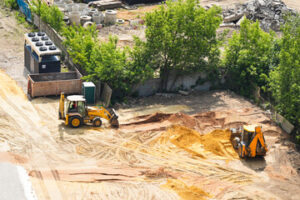
Understanding Site Preparation Services
Site preparation is the critical first phase of any construction project, whether residential, commercial, or industrial. It involves clearing, grading, and stabilizing the land to create a suitable foundation for future structures. Without proper preparation, even the most well-designed projects can face complications such as uneven foundations, poor drainage, or soil instability.
Professional site preparation services include a range of essential tasks, such as:
- Land clearing and debris removal
- Excavation and grading
- Soil testing and stabilization
- Erosion control
- Drainage installation
- Utility line preparation and trenching
- Road and access preparation
Each of these processes ensures that the site meets engineering, environmental, and safety standards before construction begins.
The Importance of Proper Site Preparation
Every successful construction project begins with a solid foundation—literally and figuratively. Site preparation ensures the land is safe, level, and capable of supporting the intended structure. Skipping or rushing this stage can lead to significant problems later in the project.
Here are some reasons why professional site preparation is vital:
Ensures Structural Stability
Uneven terrain or weak soil can lead to foundation settling, cracking, or even collapse over time. Proper grading and soil compaction create a stable base that supports the structure’s weight evenly.
Prevents Drainage Issues
Poor drainage is one of the most common causes of structural damage. Site preparation includes shaping the land to direct water away from foundations, preventing erosion, pooling, and water infiltration.
Promotes Safety and Compliance
Site preparation contractors adhere to strict building and environmental regulations. Proper grading, erosion control, and stabilization reduce safety hazards for workers and future occupants.
Enhances Construction Efficiency
When a site is properly prepared, construction crews can work more efficiently. A level and accessible site allows for smoother equipment operation, faster installation, and fewer interruptions.
Reduces Long-Term Costs
Addressing potential issues—such as poor soil conditions or improper grading—during site preparation prevents expensive repairs and delays later in the project.
Key Steps in the Site Preparation Process
While the exact process may vary depending on the project’s size and type, professional site preparation generally follows a structured sequence of steps to ensure readiness and stability.
Site Assessment and Planning
Before any physical work begins, professionals conduct a thorough site assessment. This includes surveying the land, identifying existing utilities, and analyzing soil conditions. Planners create a detailed blueprint outlining grading, drainage, and excavation requirements.
Accurate planning helps avoid conflicts during construction and ensures the project aligns with local regulations and environmental standards.
Land Clearing and Vegetation Removal
The first stage of physical preparation involves clearing the land of obstacles such as trees, shrubs, rocks, and debris. This process ensures an unobstructed work area and prevents organic materials from decomposing beneath the foundation, which can cause instability.
Specialized equipment such as bulldozers, excavators, and loaders is used to clear and level the terrain efficiently.
Excavation and Grading
Excavation involves removing soil to achieve the desired depth for foundations, basements, or utility lines. Once excavation is complete, grading begins. Grading shapes the land to the required slope and elevation, ensuring proper drainage and a level surface for construction.
Laser-guided grading systems are often used for precision, helping prevent uneven surfaces and future water issues.
Soil Testing and Stabilization
Soil testing determines the composition, density, and moisture content of the ground. If the soil is too loose, wet, or unstable, it must be stabilized through methods such as compaction, adding gravel, or mixing stabilizing agents like lime or cement.
Proper soil stabilization ensures the foundation remains secure under load-bearing stress and environmental changes.
Erosion and Drainage Control
Water runoff can cause erosion and structural problems if not properly managed. Site preparation services include installing drainage systems—such as culverts, swales, and stormwater pipes—to direct water away from critical areas.
Erosion control measures, such as silt fences and retaining walls, protect the site from soil displacement during and after construction.
Utility Line Trenching and Preparation
Before construction begins, trenches are dug for utility lines, including water, electricity, gas, and sewer systems. Proper trenching ensures these utilities can be installed safely and efficiently without interfering with other structural elements.
Final Grading and Compaction
Once all other preparation work is complete, final grading is performed to ensure a smooth, level, and stable surface. Heavy machinery is used to compact the soil, minimizing air pockets and increasing load-bearing capacity.
At this point, the site is fully prepared for foundation installation and construction.
Common Equipment Used in Site Preparation
Modern site preparation relies on advanced machinery to ensure precision, safety, and efficiency. Some of the most common equipment includes:
- Bulldozers: For clearing and rough grading large areas of land.
- Excavators: Used for digging, trenching, and removing debris.
- Loaders and Backhoes: For material transport and light excavation.
- Graders: To smooth and level surfaces for proper drainage and construction accuracy.
- Compactors and Rollers: To stabilize soil and increase density.
- Dump Trucks: For hauling away debris or bringing in fill materials.
The combination of skilled operators and the right equipment ensures the land is prepared quickly and accurately.
Environmental Considerations in Site Preparation
Responsible site preparation includes measures to protect the environment and comply with local and federal regulations. Contractors use environmentally friendly practices to reduce ecological impact and maintain site sustainability.
Some of these practices include:
- Minimizing soil erosion through silt fencing and sediment control.
- Preserving topsoil for future landscaping or reclamation.
- Recycling cleared materials like concrete, metal, and wood.
- Managing runoff to prevent contamination of nearby water sources.
- Restoring vegetation once construction is complete to reduce erosion and improve aesthetics.
Eco-conscious site preparation not only benefits the environment but also enhances the reputation of property owners and developers.
The Role of Professional Site Preparation Contractors
Hiring experienced site preparation contractors ensures that every stage of the process is handled with precision and care. Professionals bring technical expertise, safety compliance, and specialized equipment to each project.
Key Advantages of Professional Site Preparation Services:
- Accurate Site Analysis: Professionals identify potential challenges, such as poor soil or drainage issues, before construction begins.
- Efficient Project Management: With advanced equipment and expertise, contractors complete projects on time and within budget.
- Safety Compliance: Experienced teams follow strict safety protocols to protect workers and meet regulatory standards.
- Cost Savings: Early problem detection and proper planning prevent delays and costly rework.
- Quality Assurance: Certified professionals ensure that grading, compaction, and drainage meet engineering specifications.
Whether preparing land for a small residential project or a large commercial development, hiring qualified site preparation experts is essential for long-term success.
Challenges in Site Preparation
Despite its importance, site preparation can present several challenges that require professional handling. Common issues include:
- Unstable soil conditions require specialized stabilization techniques.
- Hidden debris or underground utilities that complicate excavation.
- Weather delays caused by heavy rain or extreme temperatures.
- Regulatory hurdles related to permits and environmental compliance.
Experienced contractors anticipate these challenges and implement proactive solutions to keep the project on track.
Safety in Site Preparation Work
Construction sites can be hazardous if not managed properly. Safety is a top priority in every site preparation project. Contractors adhere to industry safety standards and employ rigorous safety measures, including:
- Conducting site hazard assessments before work begins.
- Using proper protective equipment (PPE).
- Following excavation safety guidelines to prevent cave-ins.
- Maintaining equipment and ensuring qualified operators.
- Implementing traffic and machinery operation controls.
Safety-driven site preparation not only protects workers but also reduces liability and ensures project efficiency.
The Connection Between Site Preparation and Project Success
The success of any construction project begins with the quality of its site preparation. Properly prepared land prevents costly structural problems and ensures that every subsequent phase of construction proceeds smoothly. A well-prepared site provides:
- A solid and level foundation for building stability.
- Efficient drainage to prevent flooding or erosion.
- Optimized access for construction crews and heavy machinery.
- Compliance with regulations and environmental standards.
Ultimately, professional site preparation services save time, money, and resources while setting the stage for safe and durable construction.
Site preparation services are the backbone of every successful construction project. They ensure that the land is cleared, graded, stabilized, and properly drained before any structure is built. Without this crucial step, even the most sophisticated designs can fail due to foundational instability or environmental issues.
By hiring experienced site preparation professionals, property owners and developers gain confidence that their projects will begin on solid ground—both literally and figuratively. Through meticulous planning, expert execution, and adherence to safety and environmental standards, these services transform raw land into a ready canvas for construction success.
Whether it’s a small residential lot or a large commercial development, investing in quality site preparation is the first and most important step toward building something that stands the test of time.